Paint That Shows True Reflection Quality
Paint Correction in St. Louis for vehicles with swirl marks, light scratches, or dull finish from years of washing and exposure
Paint surfaces accumulate visible imperfections over time—swirl marks from automatic car washes, light scratches from improper drying techniques, and oxidation from sun exposure that reduces gloss and clarity. A+ Mobile Detailing performs multi-step paint correction in St. Louis using compound and polish combinations selected based on your vehicle's specific paint condition and the depth of imperfections present. You notice paint correction is needed when your vehicle no longer reflects light cleanly, when swirl marks appear under direct sun or LED lighting, or when the finish looks hazy despite being recently washed.
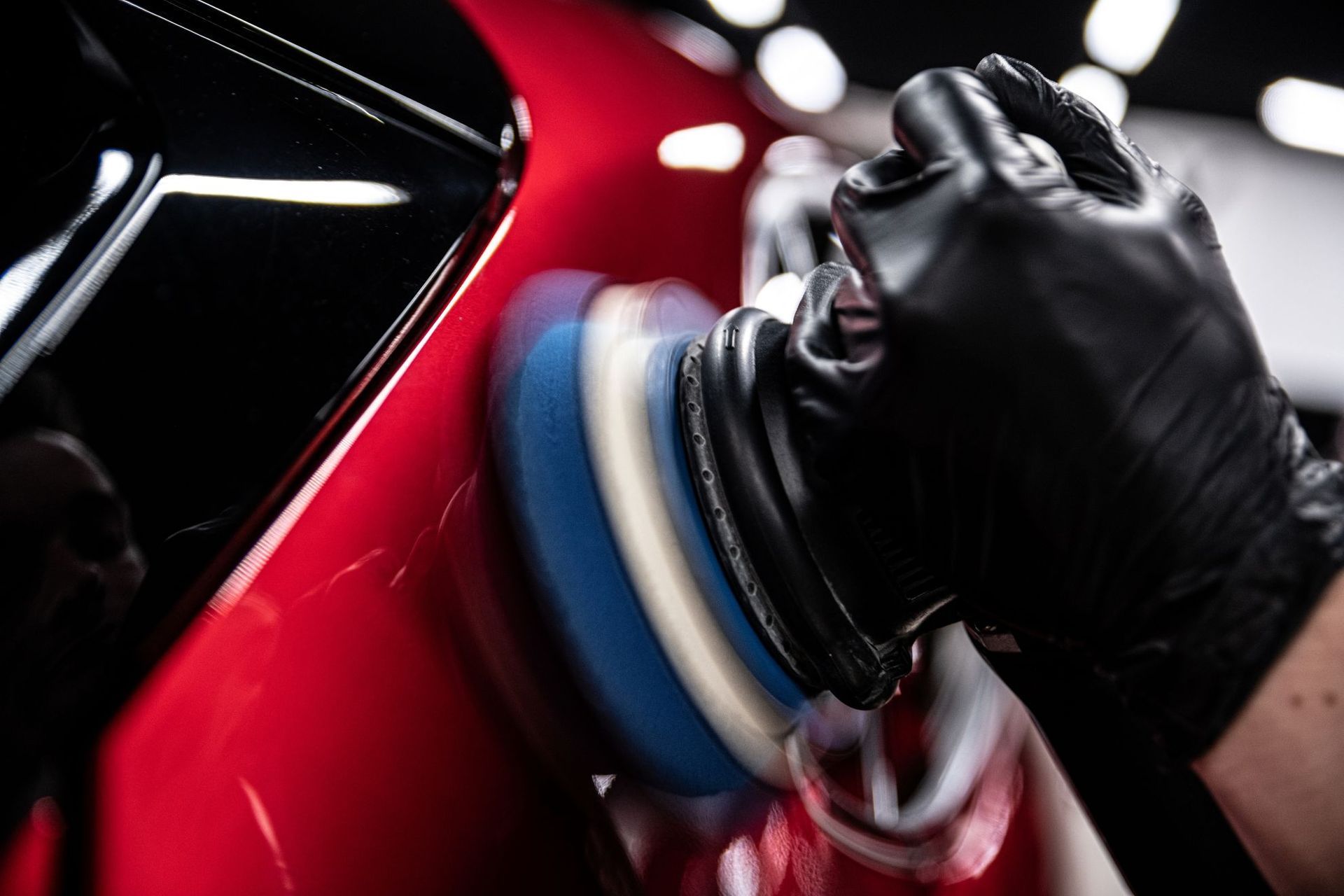
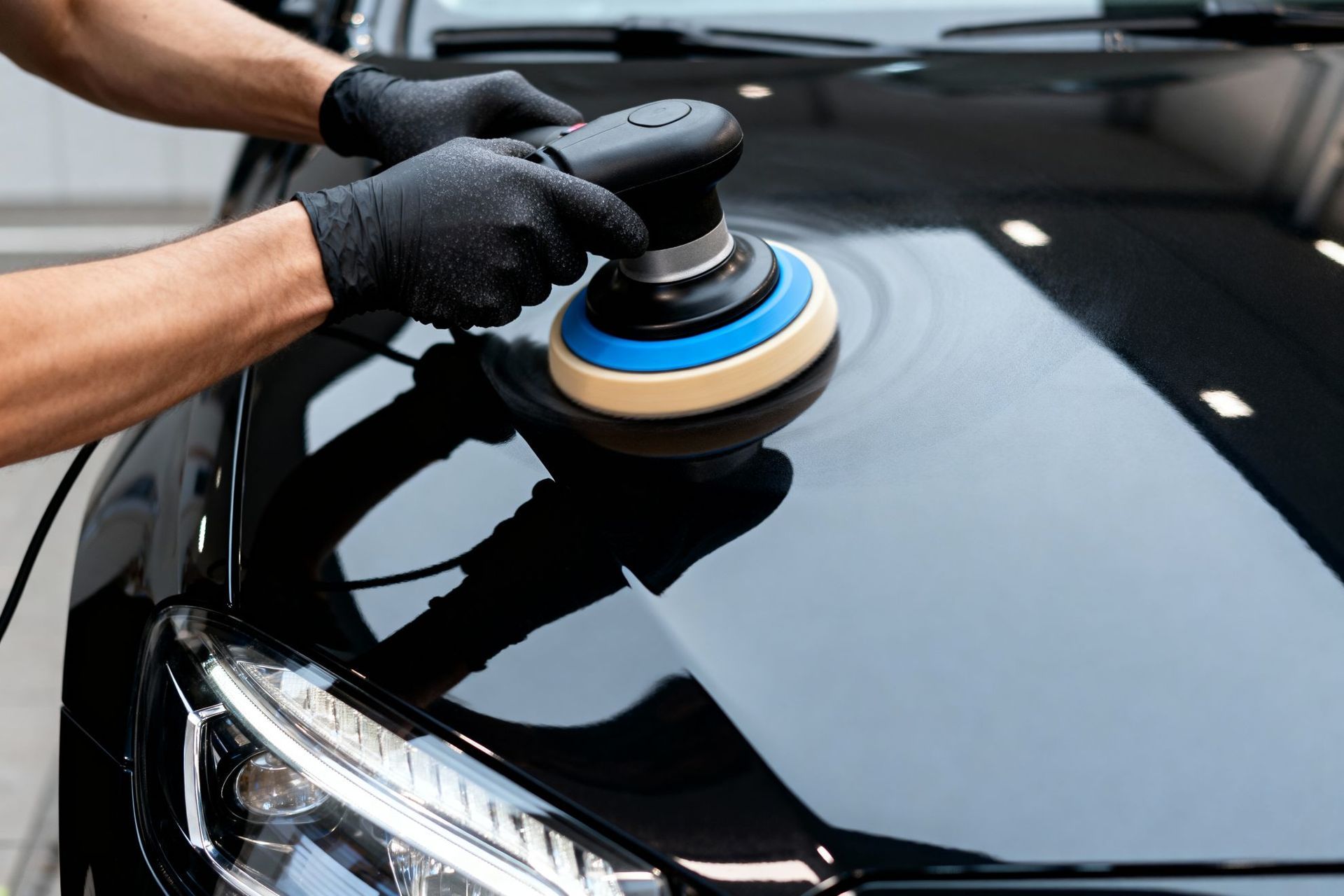
The correction process involves leveling the clear coat surface through controlled abrasion, removing a microscopic layer of clear coat to eliminate scratches and swirls while preserving overall paint thickness. Each polishing stage uses progressively finer abrasives to refine the finish, moving from defect removal to clarity enhancement to final jeweling that maximizes reflectivity.
Arrange a paint assessment to determine which correction level addresses your vehicle's current finish condition.
Why Correction Creates a Measurable Finish Change
Paint correction work begins with surface decontamination and measurement, using paint depth gauges to verify adequate clear coat thickness before any polishing begins. Correction is performed panel by panel, with specific pad and compound combinations chosen for each area based on paint hardness and defect severity. The process removes surface-level imperfections that scatter light and create a dull appearance, restoring the smooth, flat surface that allows paint to reflect clearly.
After correction, your vehicle's paint shows sharp reflections instead of distorted or hazy images, and swirl marks that were visible under overhead lights are no longer present. Colors appear deeper and more saturated because light penetrates the clear coat and reflects back without interference from surface scratches. The finish feels glass-smooth to the touch, and water sheets off cleanly rather than beading inconsistently across rough surfaces.
Paint correction is frequently performed before ceramic coating application, as coatings lock in the current surface condition—correcting first ensures the coating preserves a flawless finish rather than sealing in existing defects. Correction does not repair deep scratches that penetrate through the clear coat into base paint layers, and it is not appropriate for vehicles with failing clear coat or excessive paint wear.
What Owners Want to Know Before Correction
Paint correction decisions depend on your vehicle's current condition, how it's been maintained previously, and what level of finish quality you're seeking.
What is the difference between single-stage and multi-stage paint correction?
Single-stage correction addresses moderate imperfections with one polishing step, while multi-stage correction uses two or three progressively finer steps to remove deeper defects and achieve higher gloss levels.
How does paint correction work on darker colored vehicles in St. Louis?
Dark paints show swirl marks and scratches more visibly than light colors, making correction more dramatic on black, dark blue, or charcoal vehicles where imperfections are highlighted by every light source.
Can paint correction be done on older vehicles with original factory paint?
Yes, as long as paint depth measurements confirm adequate clear coat thickness remains, though older single-stage paints require different techniques than modern clear-coated finishes.
Why do some vehicles need correction after only a few years?
Automated car washes, improper wash techniques, and abrasive drying methods introduce swirl marks faster than hand washing with proper technique and quality materials.
What happens to the paint surface during the correction process?
Controlled polishing removes between one and three microns of clear coat, leveling the surface to eliminate scratches while leaving sufficient clear coat thickness for long-term paint protection.
A+ Mobile Detailing applies correction techniques based on paint condition analysis and owner expectations, creating results that range from noticeable improvement to show-level finish quality. Schedule a vehicle inspection to discuss correction options and determine the appropriate service level for your finish goals.